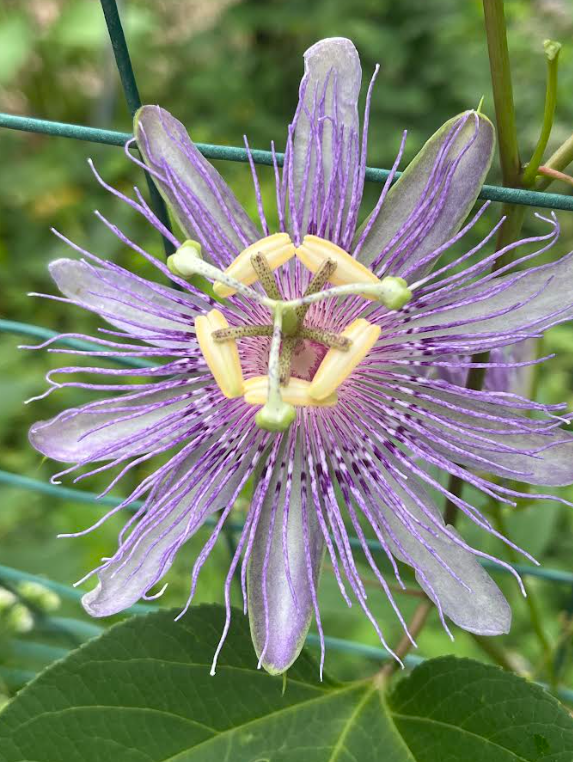
The garden and I both look like we could use a break, I think. A nap, a slumber. Good for the garden, because it’s almost time for it to settle down and sleep for the winter. No such luck for me.
This month has been a *lot*, most of which I can’t or shouldn’t get into here, but I’ll say a highlight was getting to go to a concert with some friends for the first time in a literal decade (even if it was a sensory nightmare, and I left a little over halfway through – totes worth it for the first half, and the dinner beforehand), and I had a lovely time volunteering at the nature festival I mentioned last month.
Anyway, a brief entry, as I have only just started this at 9:30pm on the last day of the month, and the cats and my physical need for sleep are going to cut my time [for writing] short well before midnight:
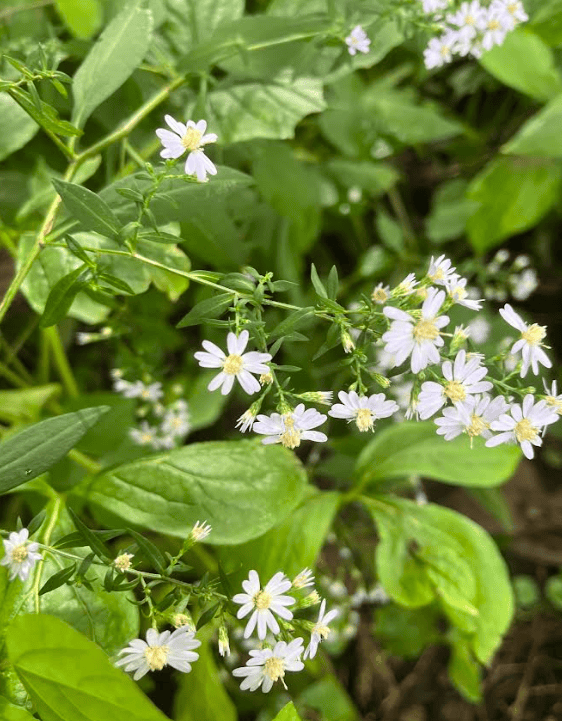
A few native plants I’ve seeded in the last year or two have showed up in force this fall. There was a brown eyed susan I didn’t get a picture of, but this little wood aster was a welcome newbie to our yard:
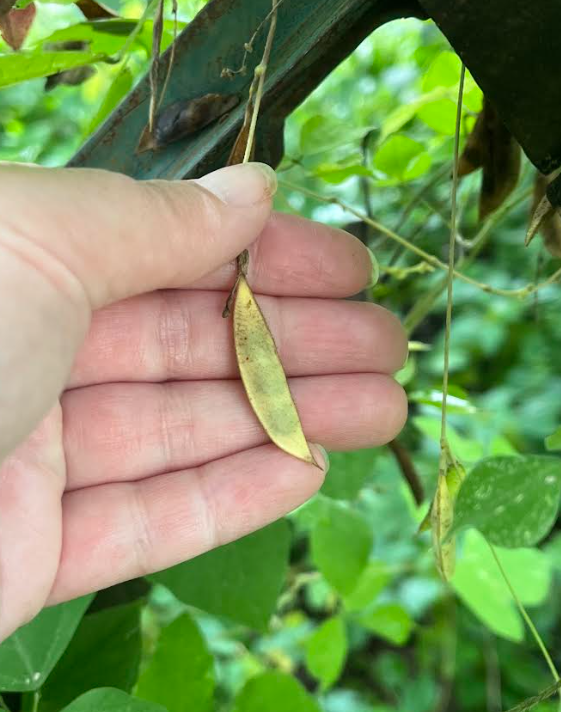
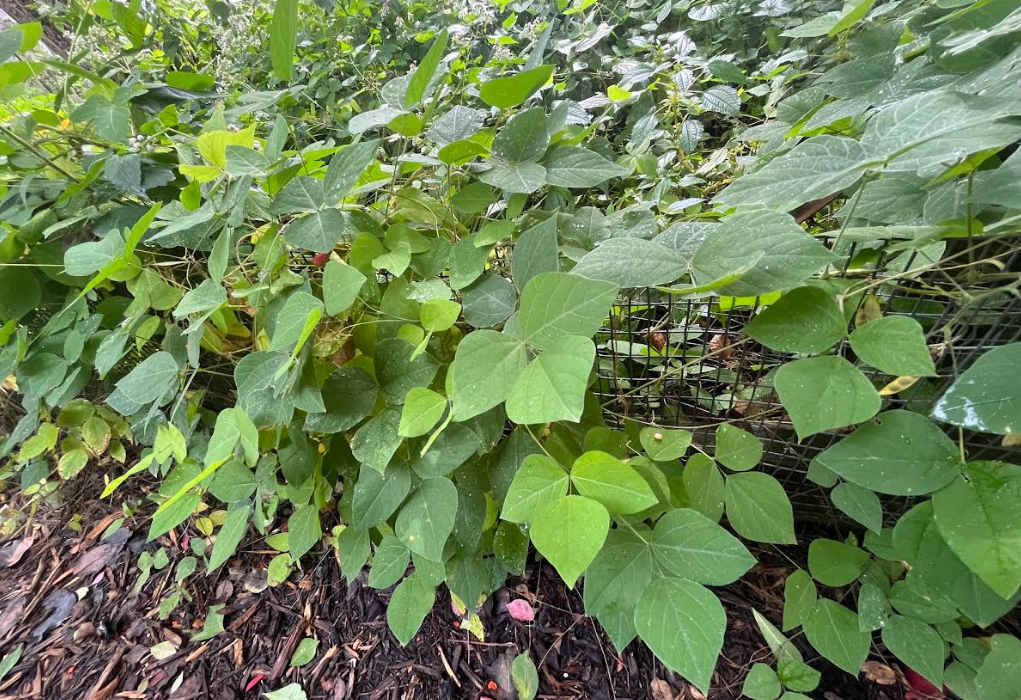
My little mousebean army really produced this year. I had really wanted to harvest a bunch to cook at some point, but it didn’t happen, although I did eat a few underripe ones fresh – they had a very pea-like flavor to them.
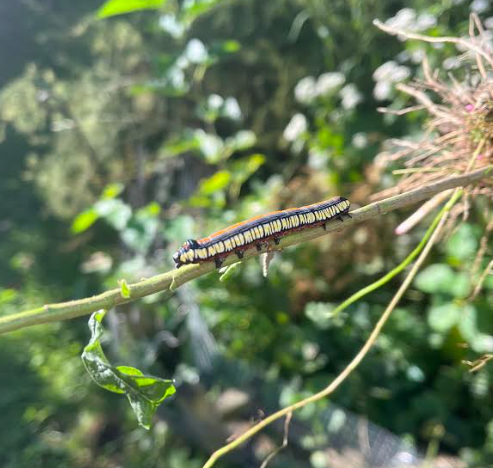
In cool bug territory, I came across a couple of these Brown-hooded Owlet caterpillars while I was pulling some of the over-enthusiastic goldenrod that’s been running amok. (Don’t worry, I put the stems down near the rest of the goldenrod so they had easy access to more food if they needed it, although they were big enough that I think they might have been getting ready to coccoon.)
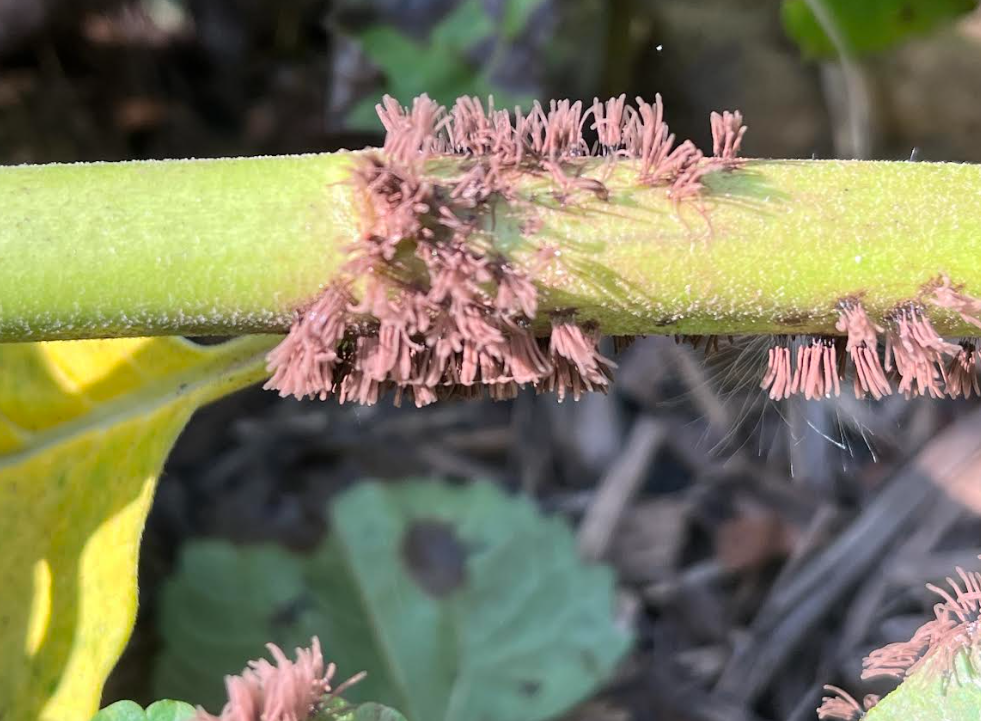
There’s a couple of slime molds that really love the wood chip mulch we use in the garden, I’m always weirdly delighted to see a Stemonitis, the chocolate slime mold, crawl up onto the plants:
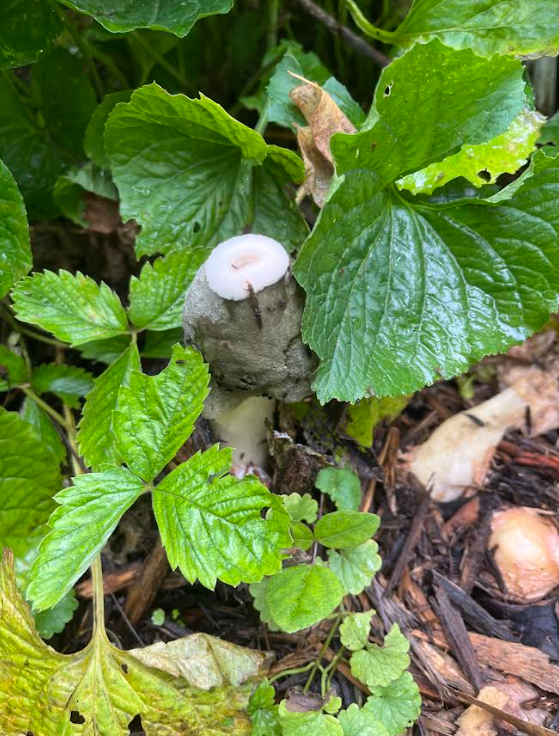
And of course, would it really feel right for there to be a rainy fall in the garden without a sad-dick-looking Phallus sp. stinkhorn showing up? ….I mean, yeah it’d be fine, they smell weird and they’re a little gross, but they’re at least kinda fun-weird, they’re not hurting anyone really, and they’ll be gone soon enough.
That’ll have to do for now. Here’s hoping for a more relaxed October, and hopefully I’ll be back with photos of our late raspberries in a few weeks.